Our Winter Road Trip from Delhi to Harsil Valley
What made a British officer leave behind his life and fall in love with a remote valley in the Garhwal Himalayas? Frederick Wilson, popularly known as Pahari Wilson, found his home in Harsil, married a local woman, and went on to shape the valley's history in ways that are still remembered today.
His story of love, wealth and the exploitation of the region's forests had me intrigued and curious to see the place for myself.
And so, we planned a road trip from Delhi to Harsil Valley.
In this Harsil Valley travel guide, we're sharing our Delhi to Harsil road trip experience, including the best route, places to visit, nearby villages, homestays, things to do and trip costs. Everything you need to plan your own Harsil Valley trip in Uttarakhand.
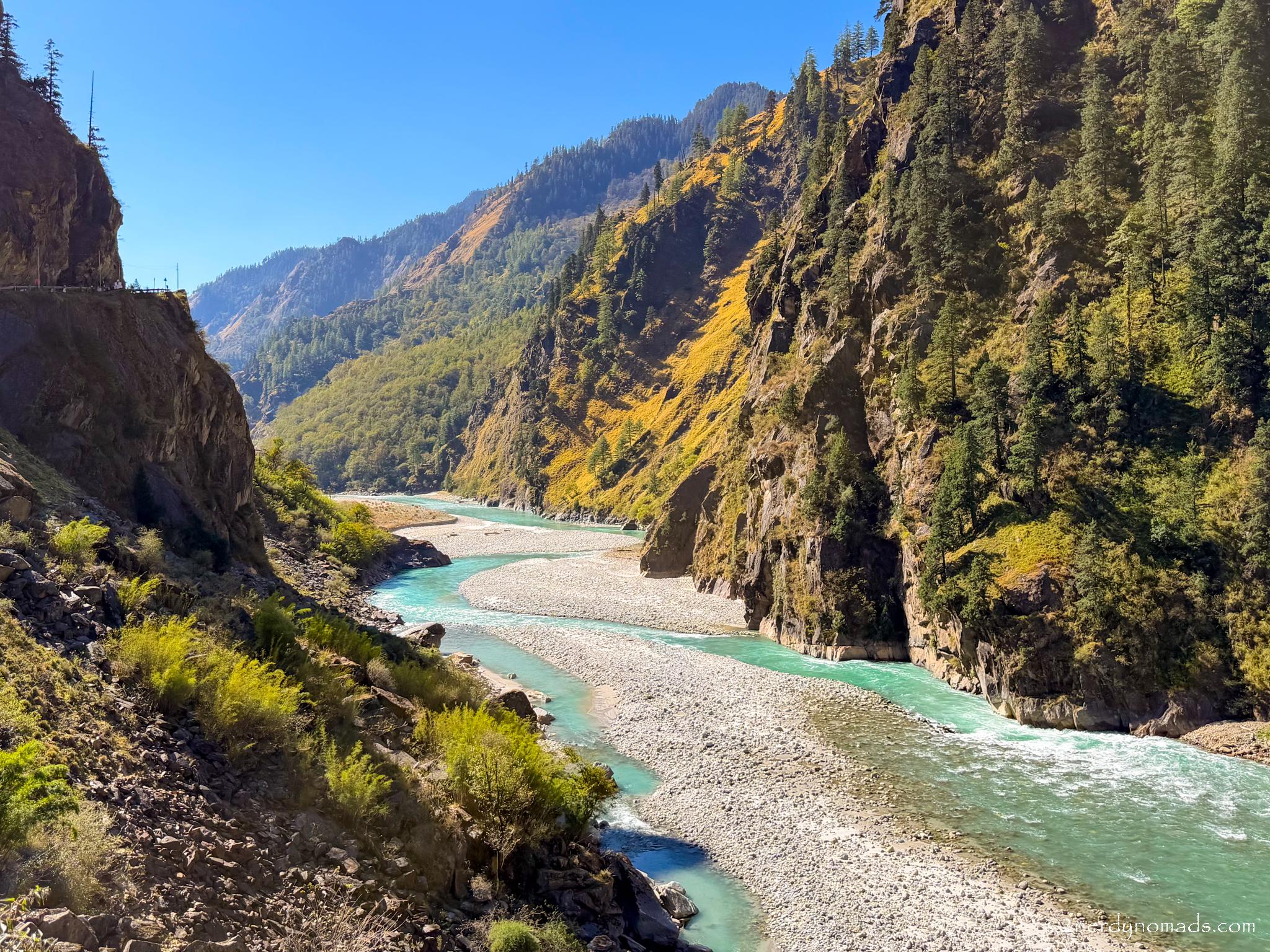
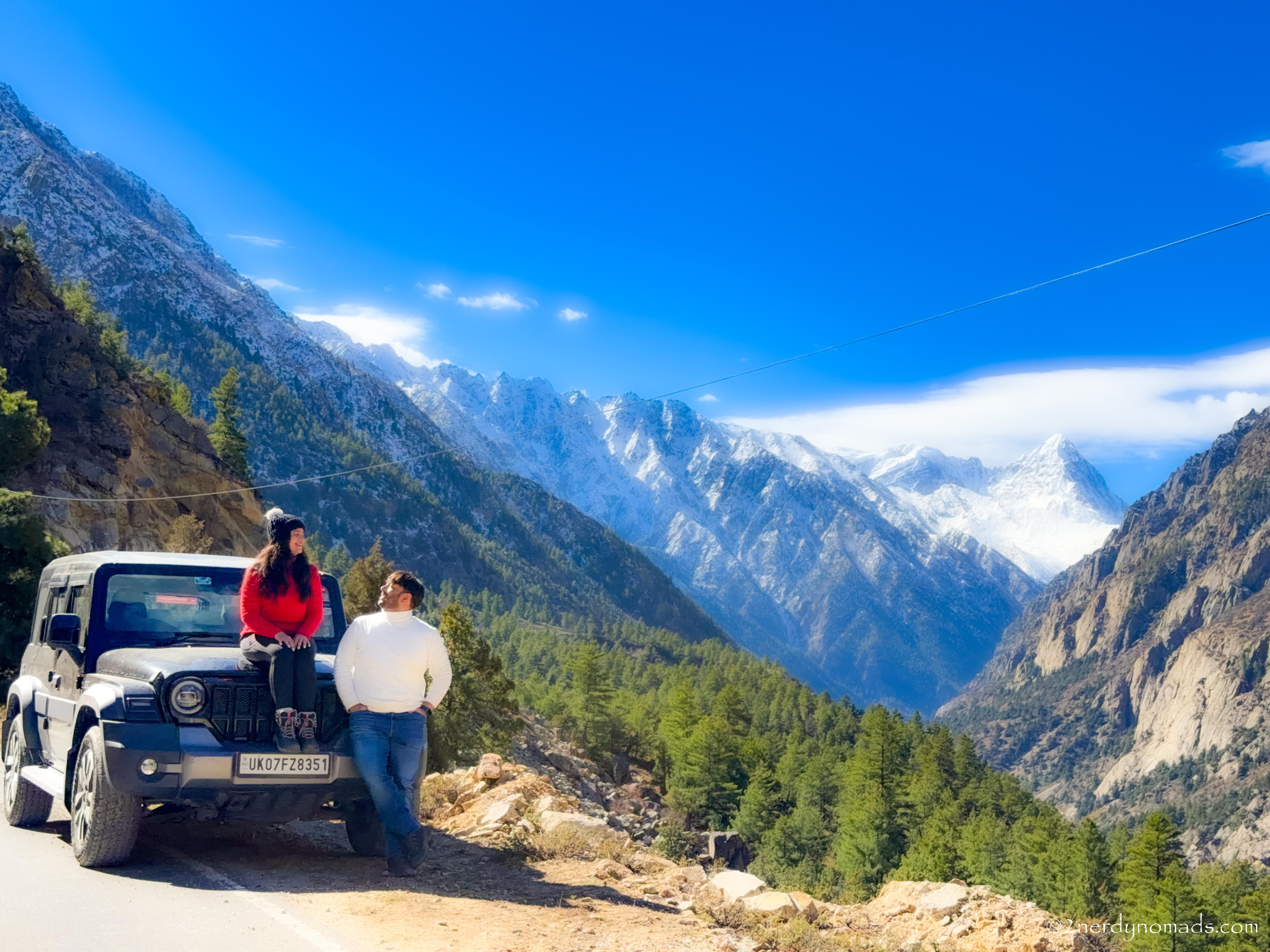
As we set off in November, I could imagine the turquoise waters of the Bhagirathi River winding through the valley, snow-dusted Himalayan peaks rising in the distance, crisp mountain air and apple orchards scattered across the landscape.
Delhi to Harsil Valley by Road: Distance, Route & Travel Time
The Delhi to Harsil Valley distance is approximately 470 km by road, and the journey takes considerably longer than the distance might suggest because of winding mountain roads.
We drove from Delhi to Harsil Valley, taking the route via Dehradun, Mussoorie, Uttarkashi, and Bhatwari. We planned to stay in Raithal before continuing to Harsil. It was around 10-11 hours of drive. If you aren't a seasoned mountain driver, we would recommend taking an overnight stop at Mussoorie.
On our way from Raithal to Harsil, which took us approximately 2.5 hours by road, we noticed that most of the shops along the route were closed. Luckily, we came across Mast Dhaba, where we stopped for breakfast.
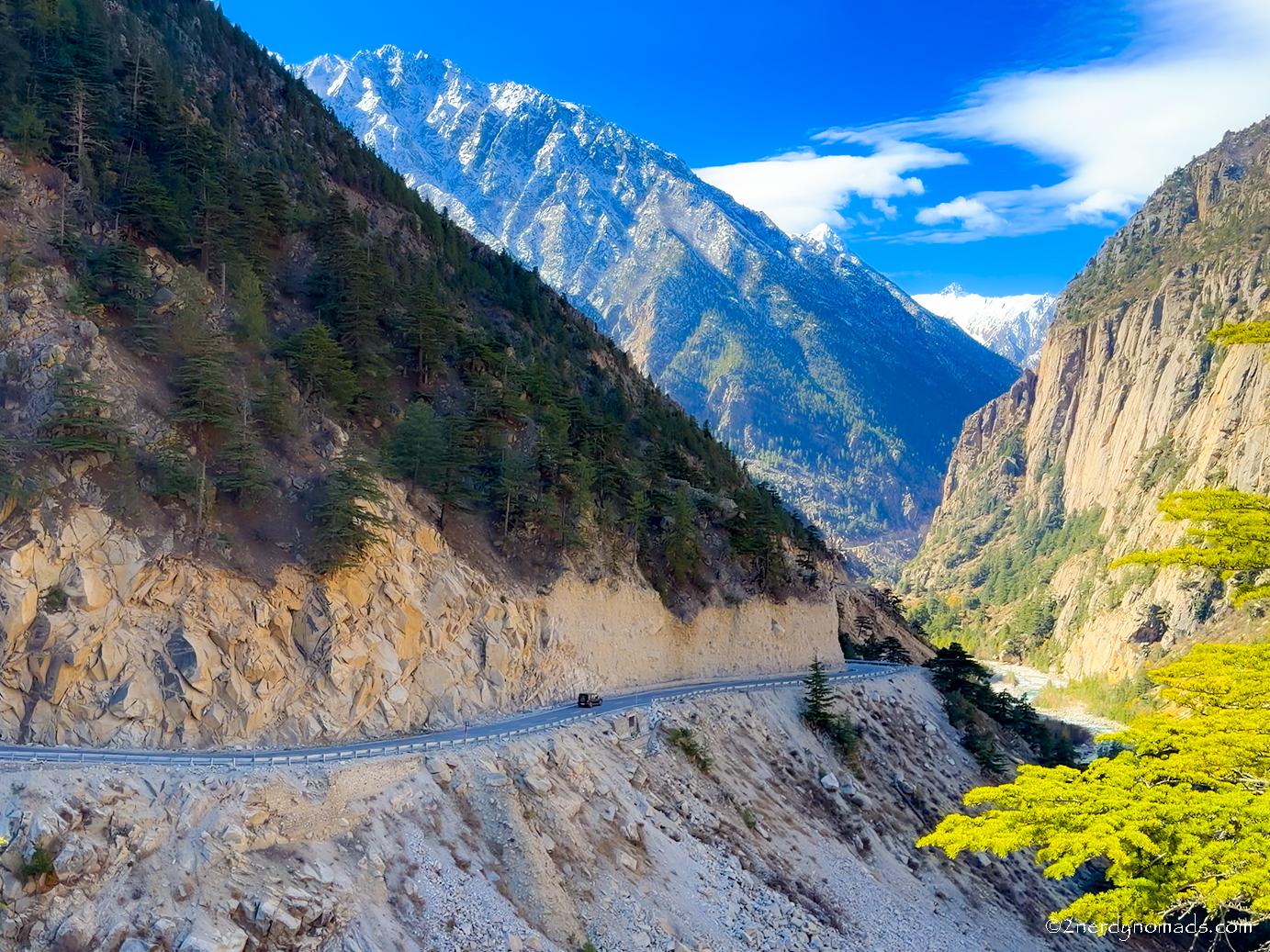
The drive was full of winding mountain roads, one turn after another, with beautiful views. We spotted so many waterfalls cascading down the mountainsides along the way. The stretches around Sukhi and Jhala were particularly beautiful, with lovely views of the Bhagirathi River.
On your way to Harsil, you can also stop at Gangnani Hot Springs, around 26-30 km before Harsil, for a relaxing warm bath in its bathing pools (kunds).
If you wish to explore the Kumaon Himalayas on a road trip, read our Delhi to Munsiyari Road Trip Itinerary. It's another beautiful mountain drive, with scenic routes, little villages and some incredible Himalayan views.
Our 4-Night Harsil Valley Itinerary
This is our day-by-day Harsil Valley itinerary.
Day 1: Reaching Harsil and Staying in an Apple Orchard Homestay
We reached our homestay from Raithal at around 1:30 PM. But getting to the stay was an experience in itself. We had to hike around 850 meters to reach it, and honestly, the moment we arrived, we knew this was going to be one of the highlights of our Harsil trip.
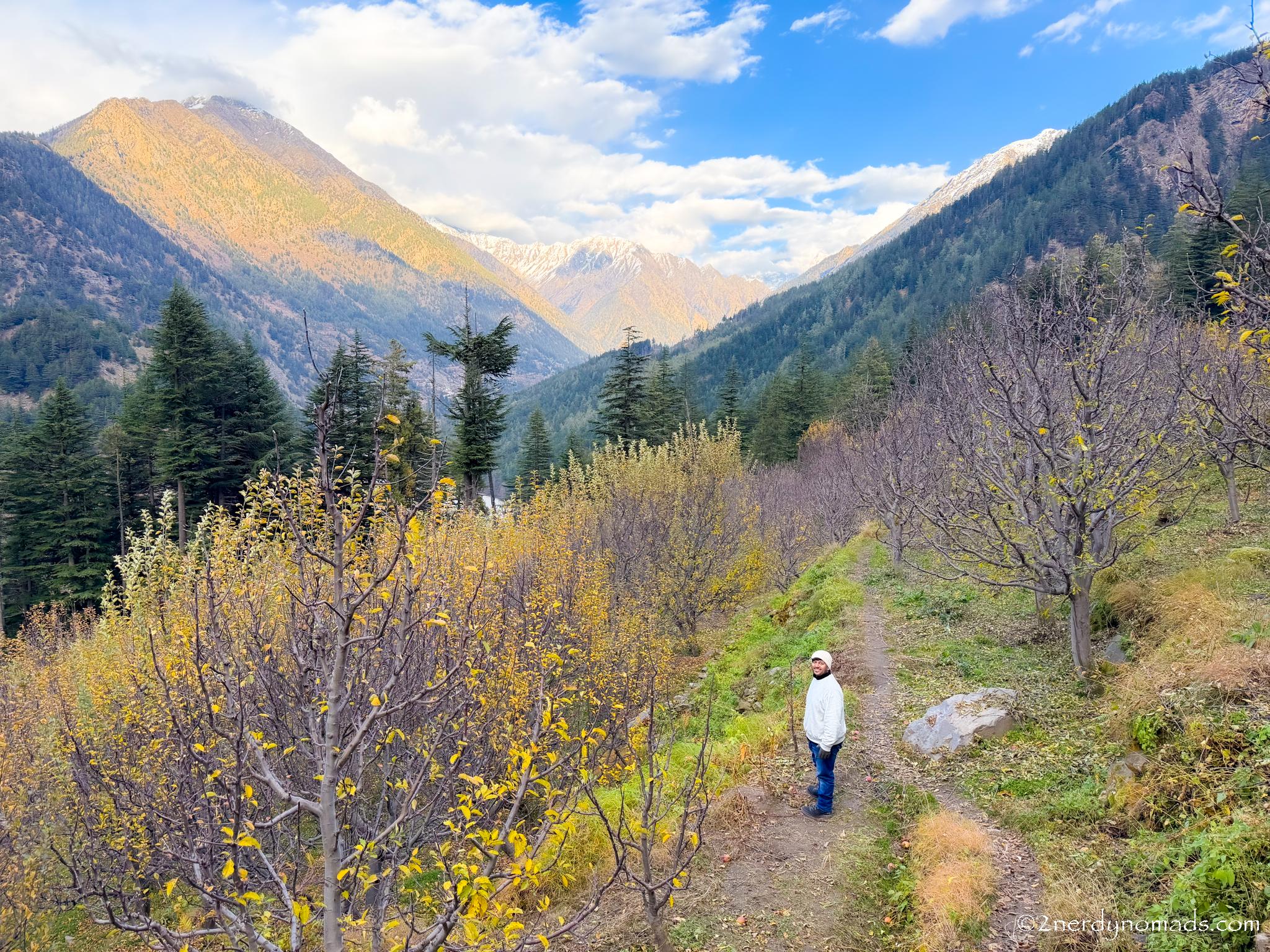
Our host Sonam's father welcomed us so warmly that we felt at home almost immediately. We settled in and spent the rest of the afternoon doing absolutely nothing in particular. We walked through the apple orchards, picked and ate fresh apples, and explored the surroundings at our own pace.
Day 2: Exploring Mukhba and Bagori – A glimpse into the culture of Harsil Valley
The next morning, we woke up to stunning views of the Himalayas. Aunty served us hot aloo parathas with apple chutney for breakfast, and we were all set to explore the villages around Harsil.
Our first stop was Mukhba Village, the winter home of Goddess Ganga. As luck would have it, our visit coincided with the arrival of Goddess Ganga's palanquin in Mukhba from Gangotri. We were fortunate enough to witness the procession as it made its way to the village.
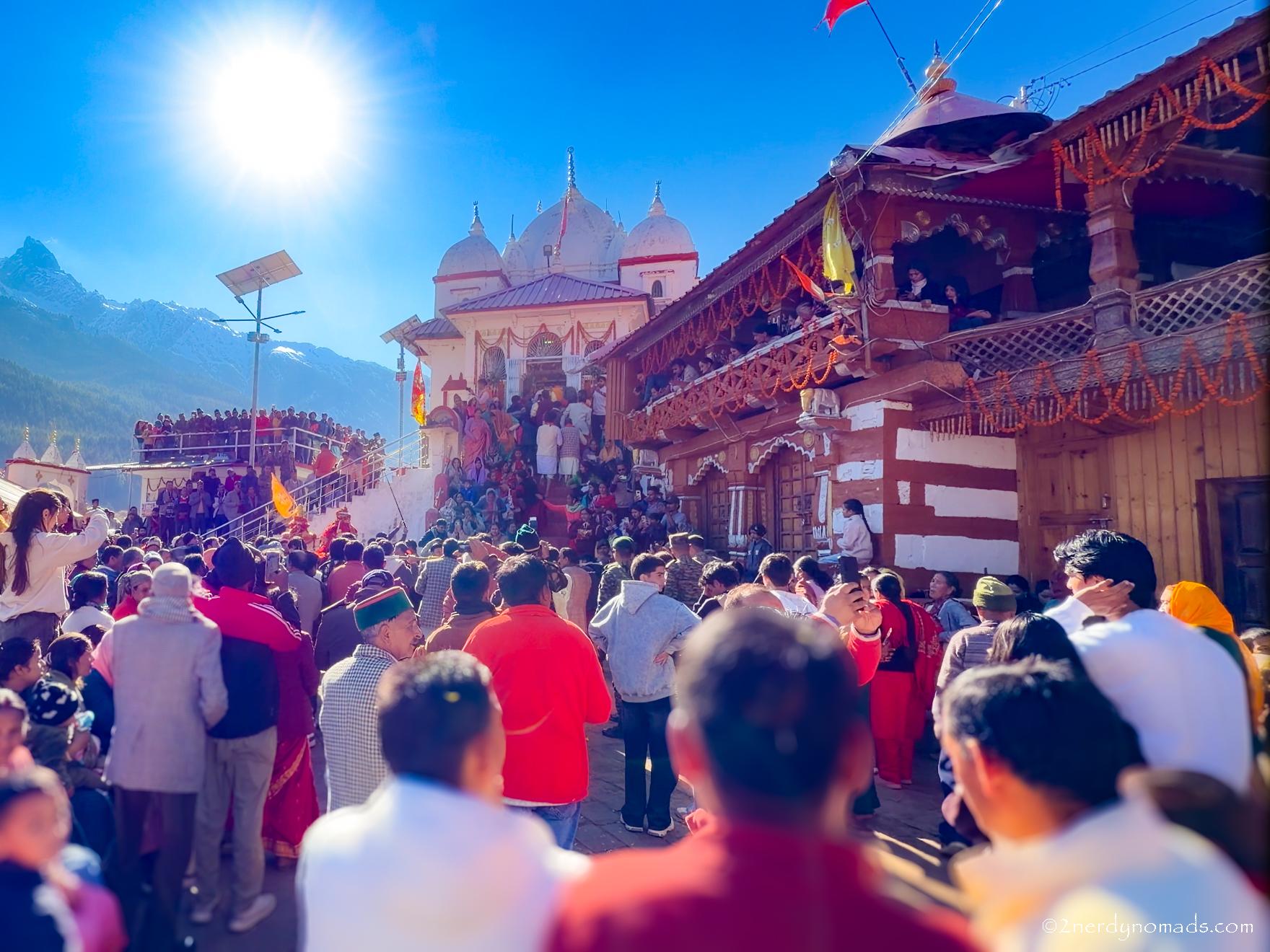
The village was decorated with marigold flowers, and there was a festive atmosphere everywhere. We also witnessed personnel from the Kumaon Regiment, dressed in their military uniforms, playing trumpets alongside yellow and green embroidered flags.
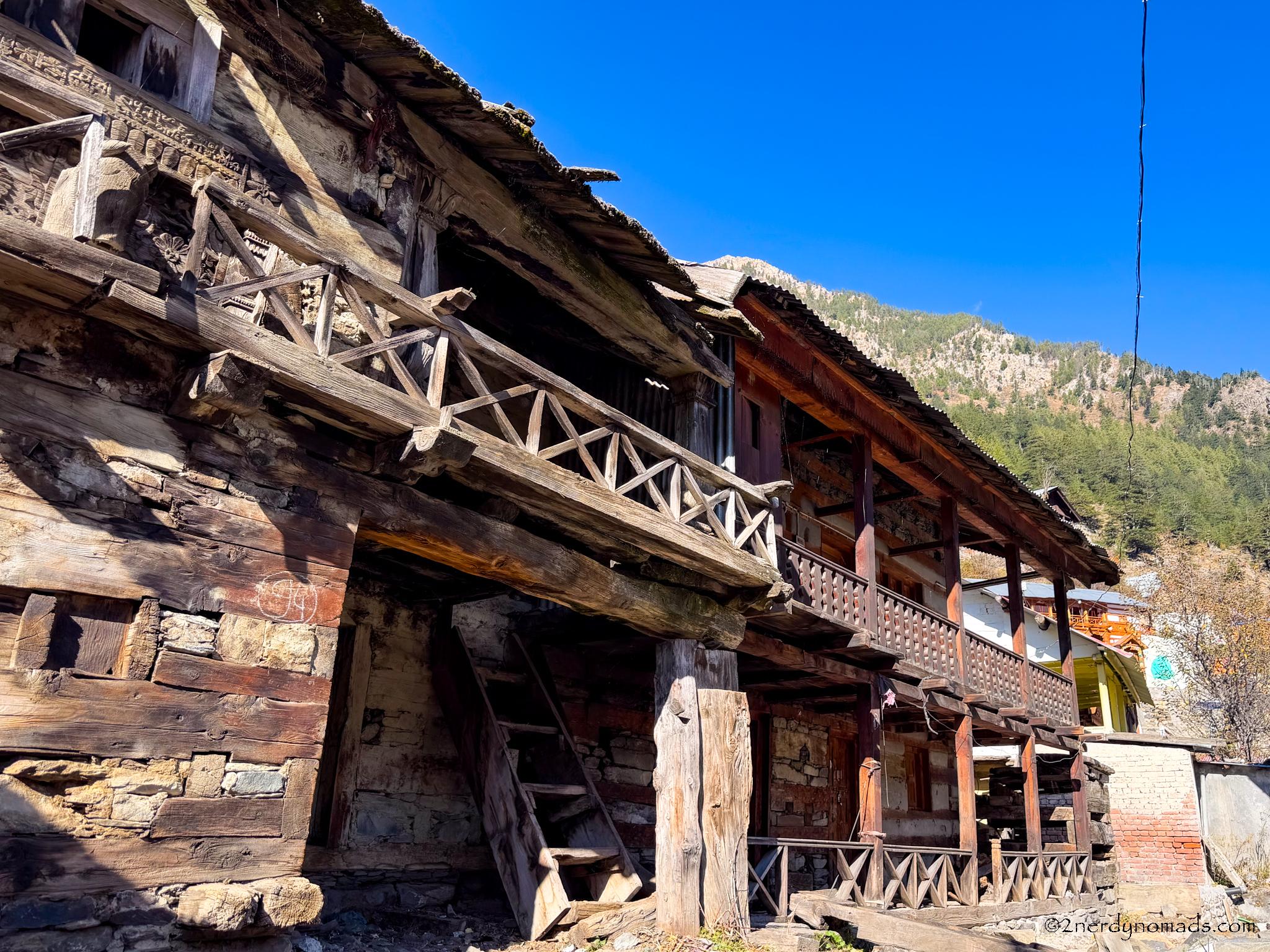
We were equally fascinated by its traditional Garhwali houses, some of which, according to a local we spoke to, are around 1,000 years old. They are not just old structures; they are a part of the region's living architectural heritage.
From Mukhba, we headed to Bagori Village, home to the Bhotia community. We strolled through its narrow lanes, looking at the traditional wooden houses and the dried apple orchards.
However, Bagori felt unusually quiet. Since November marks the onset of winter in this part of the Himalayas, many residents had already moved to warmer places, leaving their homes behind for the season.
After exploring Bagori, we stopped at Combat Cafe, an initiative by the Indian Army, for some momos and tea.
Day 3: A drive to Nelong Valley – The Ladakh of Uttarakhand
Day 3 was all about exploring Nelong Valley, a place often referred to as the Ladakh of Uttarakhand. And after seeing it ourselves, we could understand why.
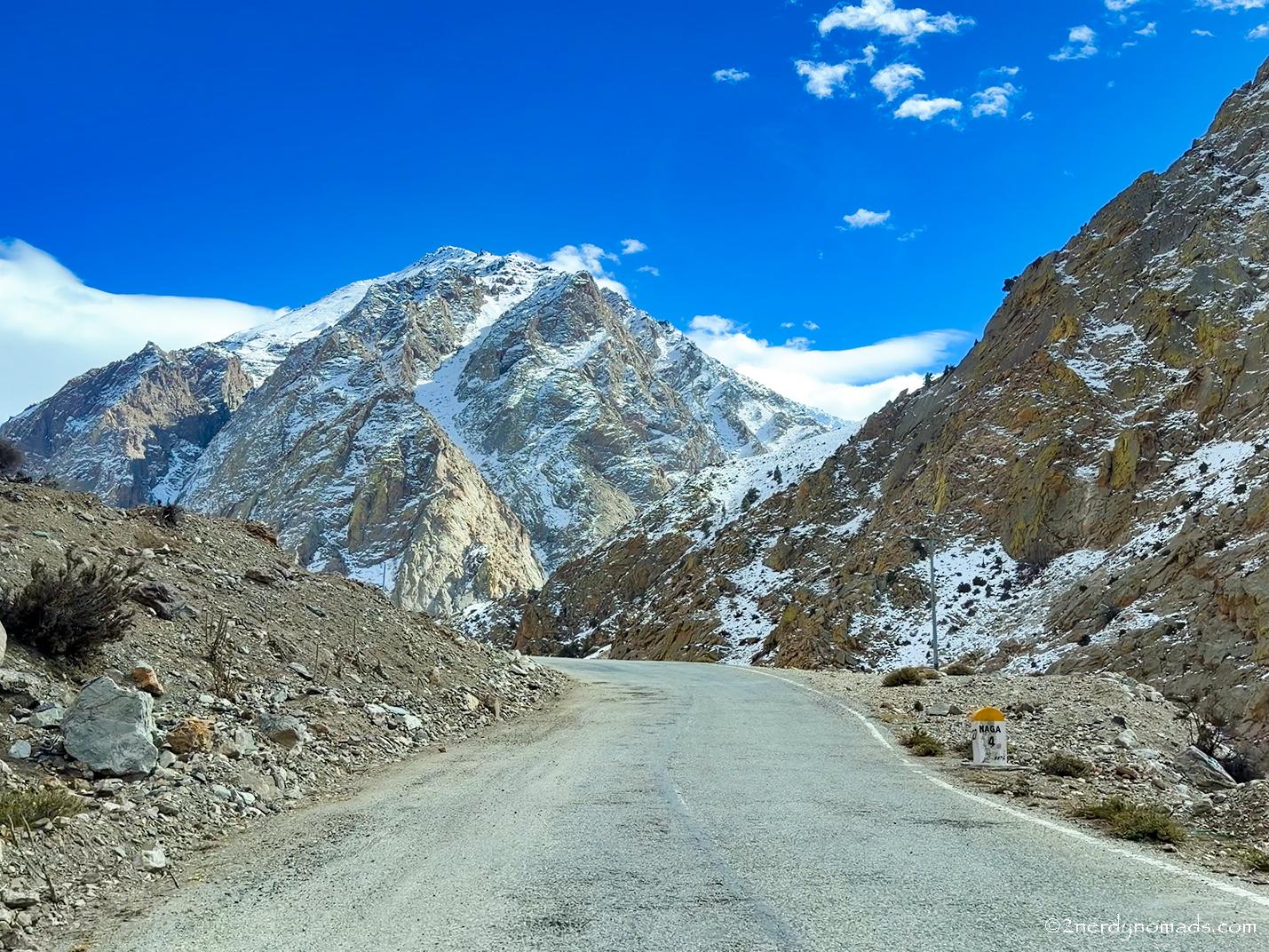
Nelong was an important trade route connecting India and Tibet. Today, it is known for its dramatic landscapes. On one side, a beautiful green river flowed alongside the road; on the other stood enormous, stark mountains. It genuinely felt like driving through a painting.
Keep your eyes on the mountainsides, too. We were lucky to spot blue sheep moving across the rocky slopes.
Nelong Valley Permit: What You Need to Know Before Visiting
Nelong Valley falls in a restricted Inner Line area close to the India–China border and visitors need to obtain an Inner Line Permit (ILP) before entering the valley.
If you're planning to visit Nelong Valley, arrange your Inner Line Permit well in advance. The permit process involves the SDM office, Local Intelligence Unit and Forest Department, subject to document verification (around 2-3 days).
The documents required are:
-
Aadhaar card of every visitor
-
Driving licence of the person driving
-
Vehicle Registration Certificate (RC) of the car
Please confirm the latest application process, required documents and applicable government fees before travelling from DM Office, Uttarkashi.
Entry Charges and Other Costs
We paid the following charges while entering Nelong Valley:
Entry charge: ₹300 per person
Vehicle charge: ₹250 per car
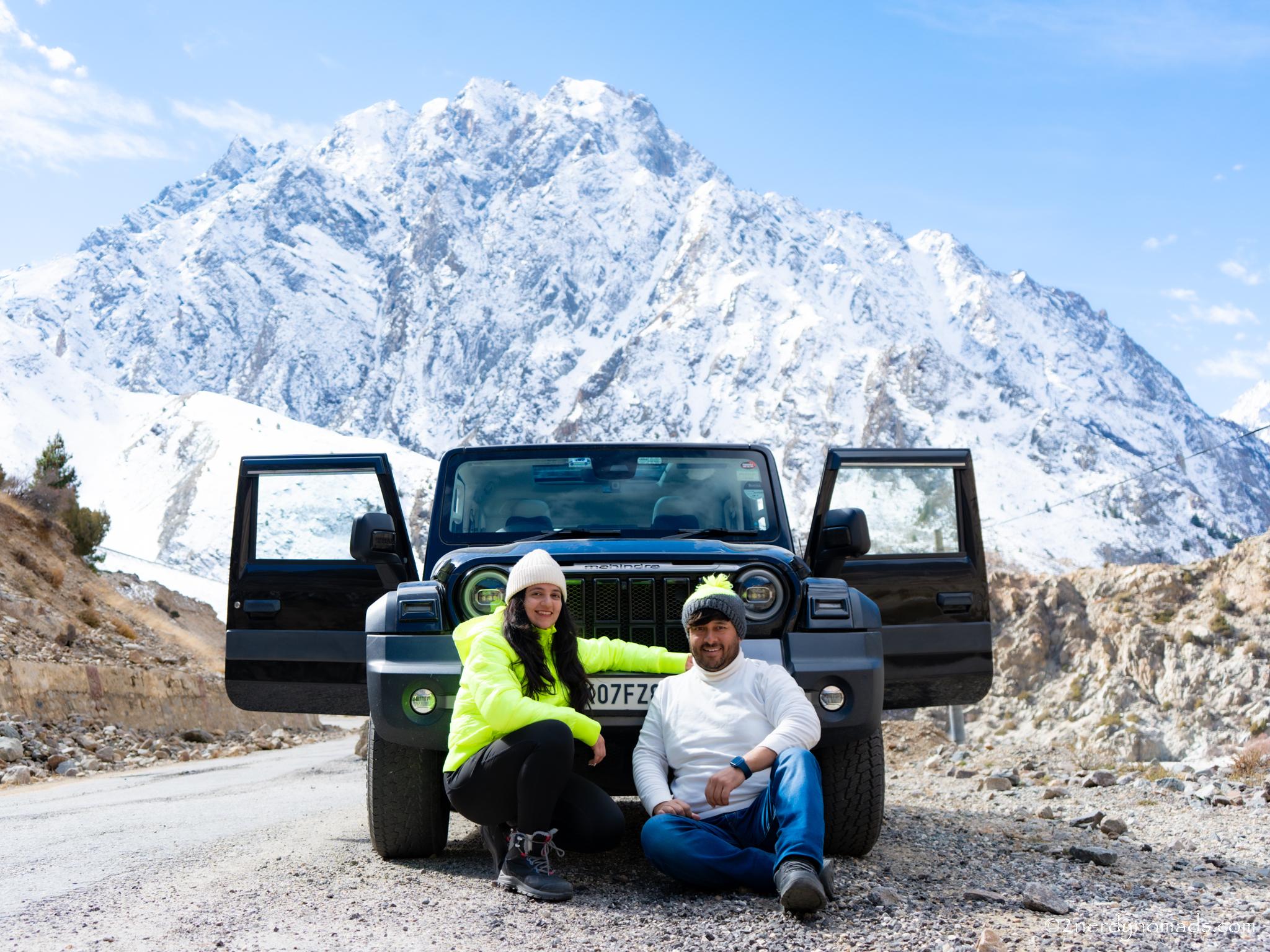
Quick tip: We drove our own four-wheel-drive vehicle. If you don't want to drive, local taxis may be available. We were told that a round trip could cost approximately ₹5,000–₹6,000, but confirm the current fare locally.
You can also combine your Nelong Valley visit with Gartang Gali, one of the region's fascinating historic attractions. It is an old wooden staircase trail carved into a steep mountain cliff, historically associated with the India–Tibet trade route.
Also make sure to stop at Lanka Bridge along the way. It's another interesting spot to pause, and take in the dramatic mountains.
Day 4: A Slow Day in Harsil
After a few days of exploring Harsil, we decided to take it slow. We simply stepped out of our homestay, went on random hikes and explored the nearby bugyals (high-altitude alpine meadows).
If you're someone who enjoys hiking and trekking, we'd also suggest adding Lama Top to your Harsil itinerary. It is known for its panoramic, 360-degree views of Harsil Valley.
Where to Stay in Harsil Valley: Our Homestay Experience
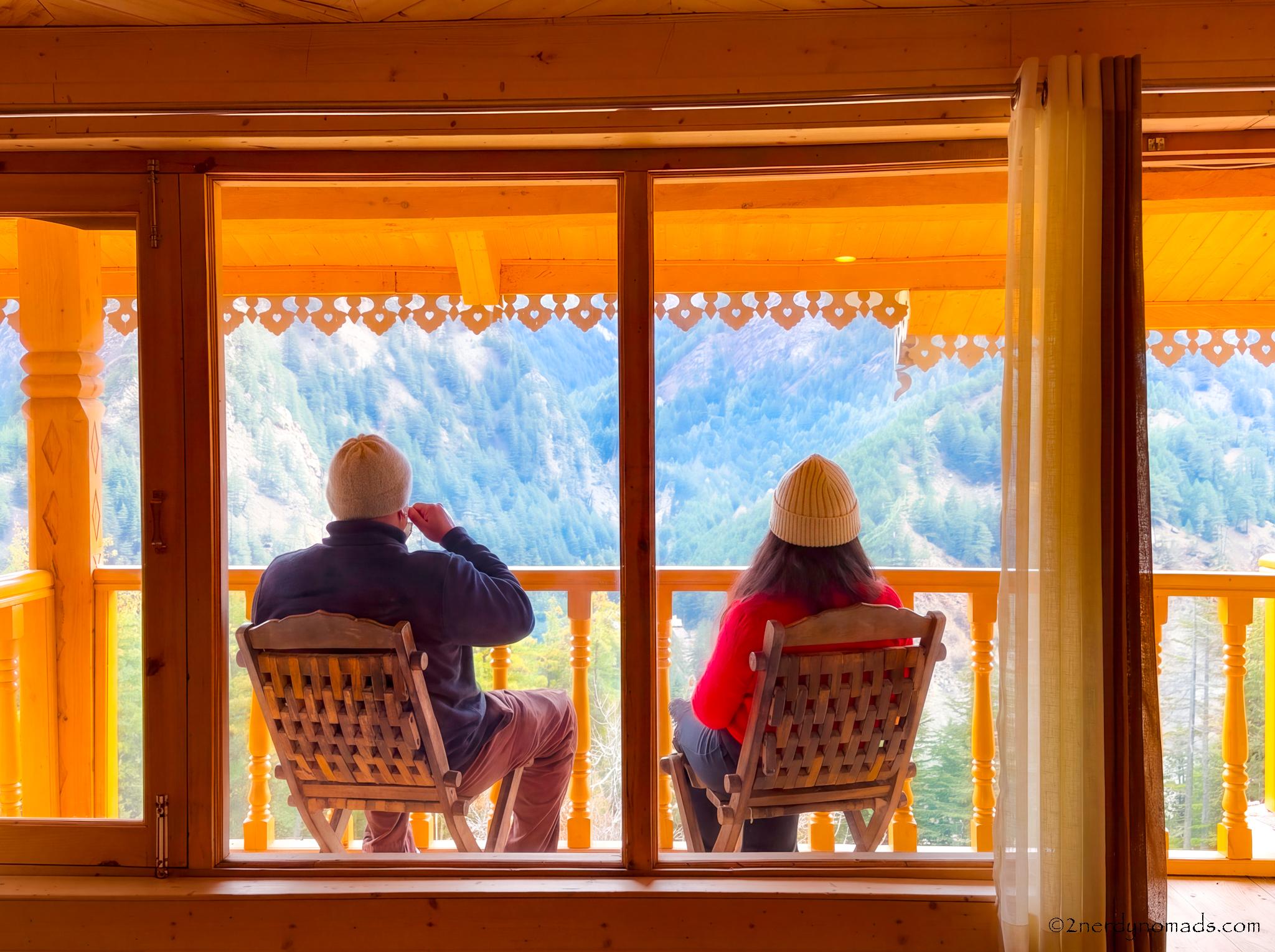
If you ask us where to stay in Harsil, Harsil Heritage Homestay would be our first recommendation.
What made this place special wasn't just its location or the incredible mountain views. It was the warmth of the family hosting us. We genuinely didn't feel like we were staying away from home.
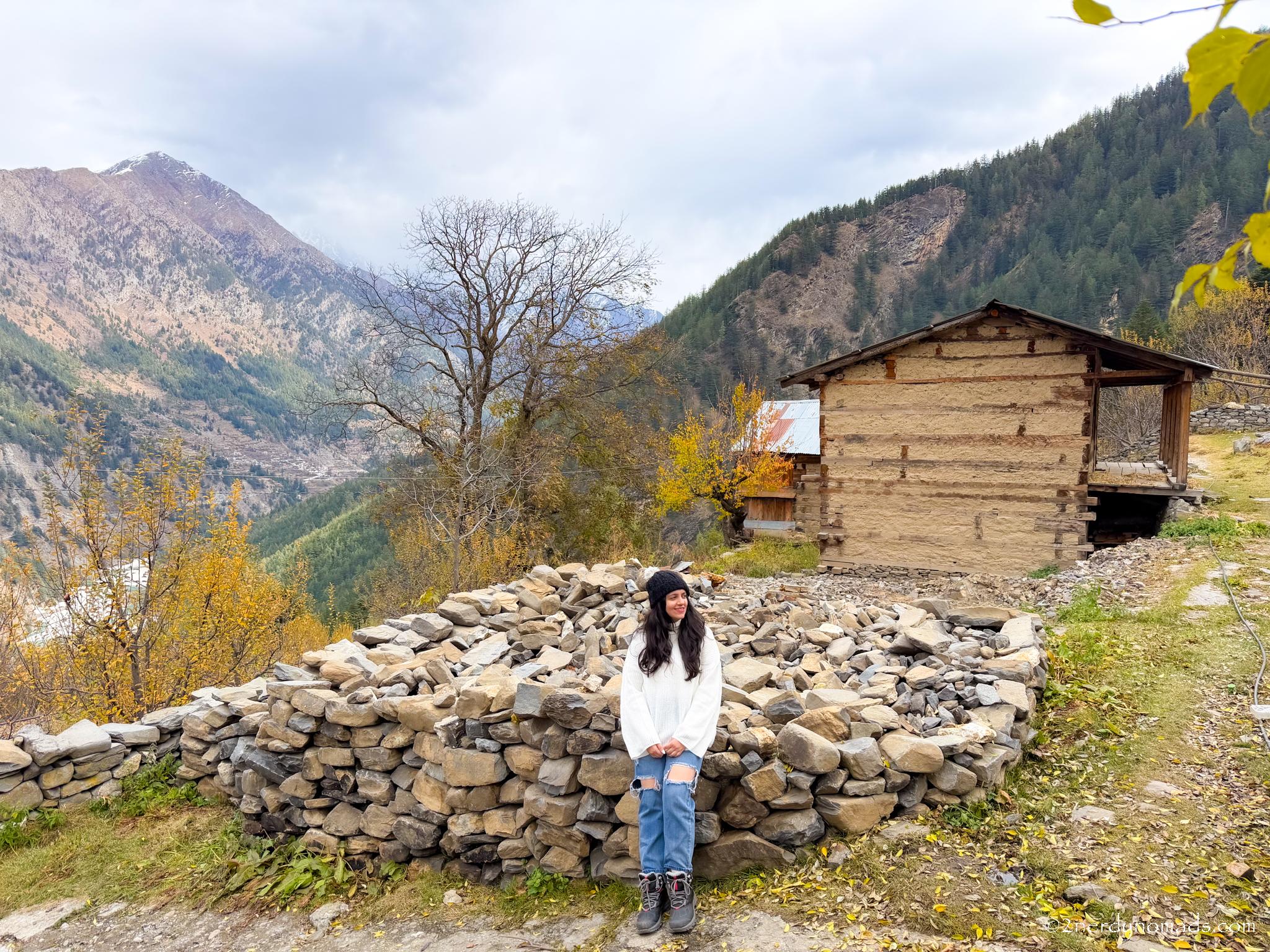
The homestay is a beautiful wooden architectural home, nestled amidst apple orchards, with stunning Himalayan views. The rooms had all the basic amenities we needed for a comfortable winter stay, including heaters, geysers and warm bedding.
But the real highlight was the hospitality. We reached around 1:30 PM, and despite our arrival being at short notice, our host Sonam arranged lunch for us. Later, our Sonam's uncle invited us for a bonfire. We spent the evening listening to local stories over cups of warm Pahadi tea.
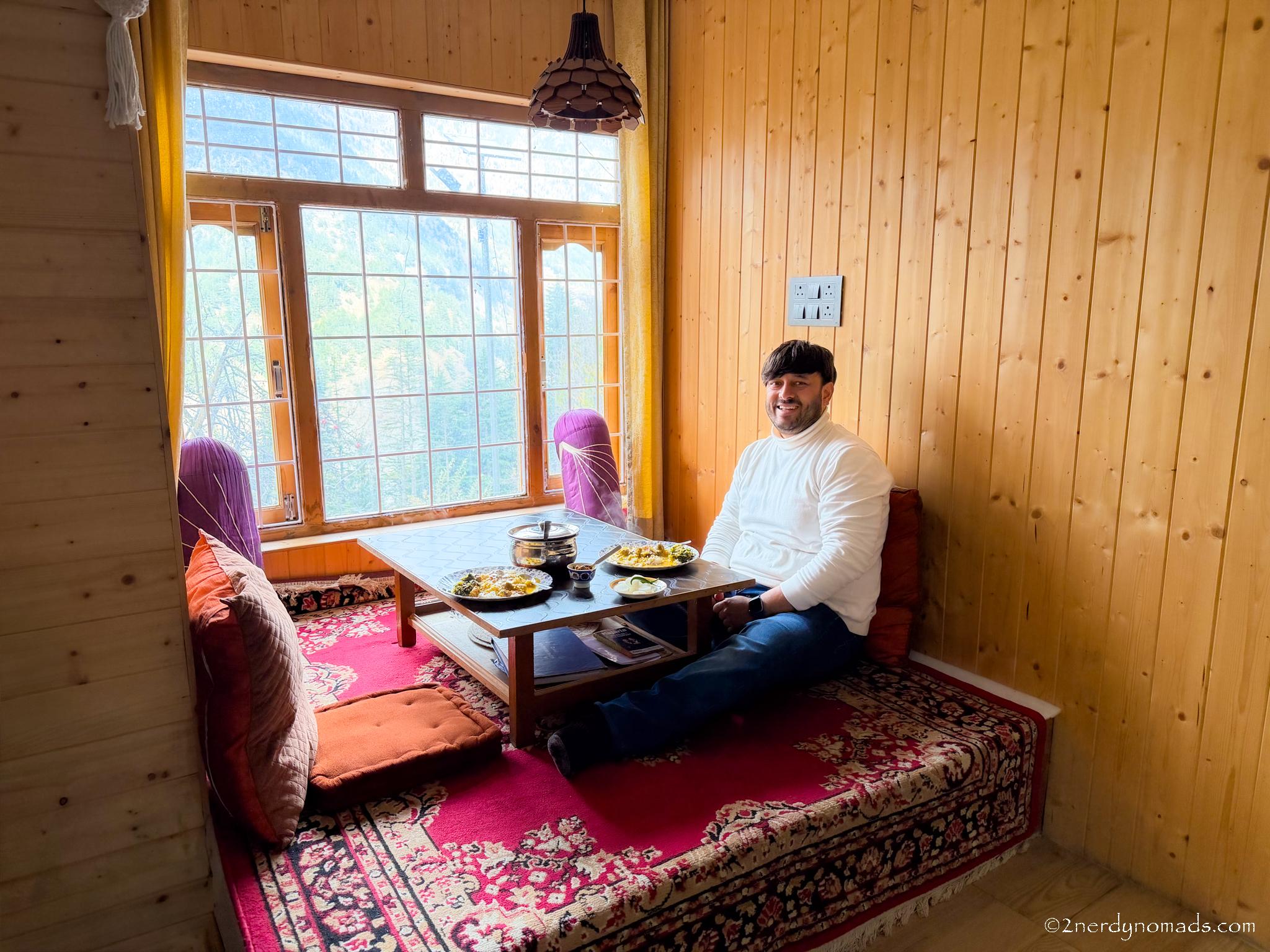
And the food deserves a special mention. Sonam's mother homemade meals, freshly prepared with so much warmth, were the cherry on top of the whole experience.
Dinner time was our time for conversations, gossip and exchanging travel stories with Sonam's family and the other guests staying there. Looking back, it was these little moments that made the stay so fulfilling. The warmth of the family, home-cooked food, conversations over dinner and the peaceful mountain setting made us feel less like guests and more like a part of the home.
Other Homestays to Consider in Harsil
If Harsil Heritage Homestay is not operational or is already booked, you can also check out Sunder Homestay or Khili's Abode. These are alternatives we'd suggest considering for a comfortable winter stay in Harsil.
How Many Days Do You Need for Harsil Valley?
We'd recommend spending at least 2-3 nights in Harsil Valley for your first visit. This gives you enough time to explore Harsil, Mukhba, Dharali and Bagori villages. Keep an extra day for trekking or visiting Nelong valley.
Best Time to Visit Harsil Valley: Month-by-Month Guide
Harsil Valley is a destination you can visit in different seasons, and honestly, each season has something different to offer. The best time depends on what you want to experience: blooming apple orchards, pleasant summer weather, lush monsoon landscapes, apple harvesting or even snowfall.
April: Apple Blossoms and Spring Colours
If you love spring, April is a beautiful time to visit Harsil. The apple orchards come alive with blossoms, giving the valley a cherry-blossom-like feel.
May to June: Pleasant Summer Weather
May and June are the peak summer months and a popular time to visit Harsil, as the weather remains pleasant. It's a good season for sightseeing, exploring nearby villages and visiting Gangotri.
July to August: Monsoon Beauty
During the monsoon, Harsil turns lush green. However, this is also when you need to be extra careful. Heavy rainfall can lead to landslides, roadblocks and cloudbursts in the region. Always check weather forecasts and road conditions before planning a monsoon road trip.
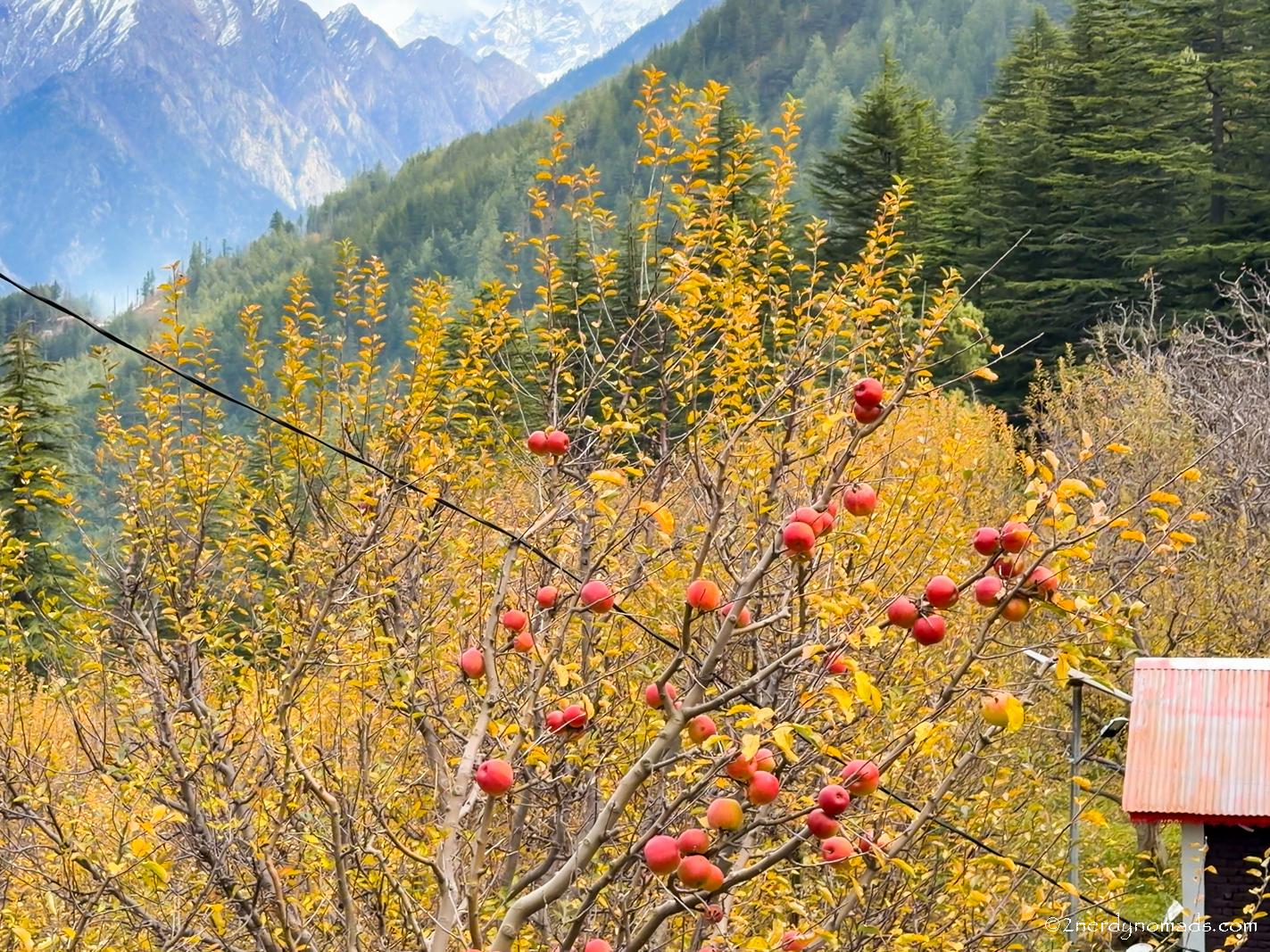
September to October: Apple Harvesting Season
This is a particularly lovely time to visit if you want to see Harsil's apple orchards during the harvesting season. It bring a different charm to the valley, , with apples being picked from the orchards and their sweet fragrance filling the air.
November: Beginning of Winter, Quiet Mountains and Crisp Air
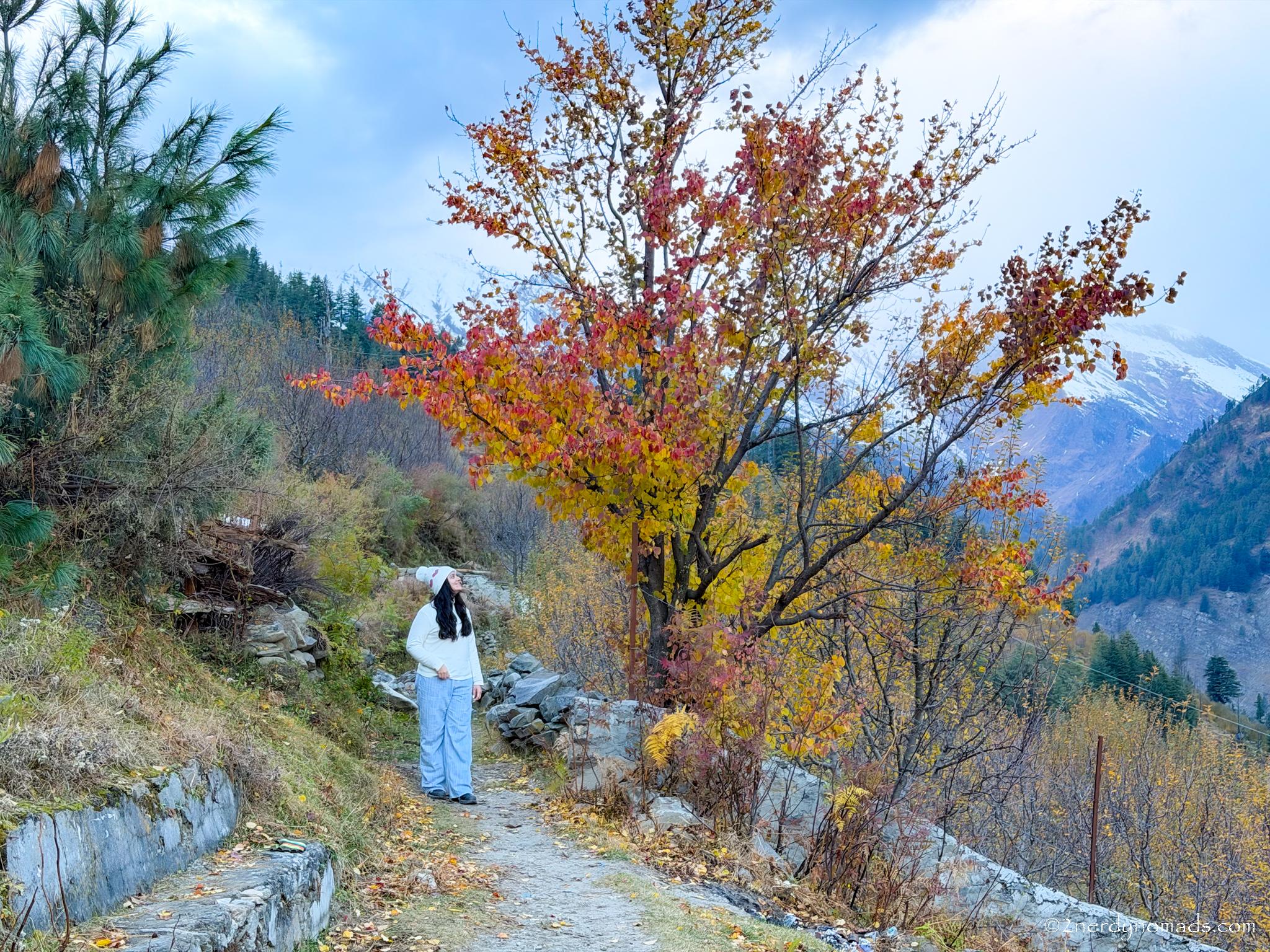
November is more of a shoulder season in Harsil. With Gangotri Dham closed for the winter, tourist footfall drops considerably.
We visited in mid-November and experienced crisp mountain air, beautiful autumn colors and chilly evenings. It's a lovely time for a road trip if you enjoy cold weather without necessarily visiting during peak snowfall season.
December to February: For Snowfall Lovers
If experiencing snowfall is on your Harsil Wishlist, December to February is the time to consider. The valley gets much colder, and snowfall transform the valley into winter landscape.
Keep in mind that many homestays shut during peak winter, while some roadside hotels may continue operating.
If you enjoy winter road trips in the Himalayas, you might also want to explore our Delhi to Keylong Road Trip Itinerary. It's another memorable mountain drive, especially for those who love dramatic landscapes and high-altitude road journeys.
Shopping in Harsil Valley: What to Buy
We love bringing back meaningful souvenirs from our travels, little pieces of a place that remind us of the people, food and experiences we had there. And Harsil has a few lovely things you can take back home.
- Juicy Harsil Apples
If you're visiting during the apple season, don't leave Harsil without buying some locally grown apples.
- Local Rajma (Kidney Beans)
Another thing worth buying is local rajma. If you enjoy cooking, bring back a packet or two.
- Apple Chutney and Apple Juice from Jhala
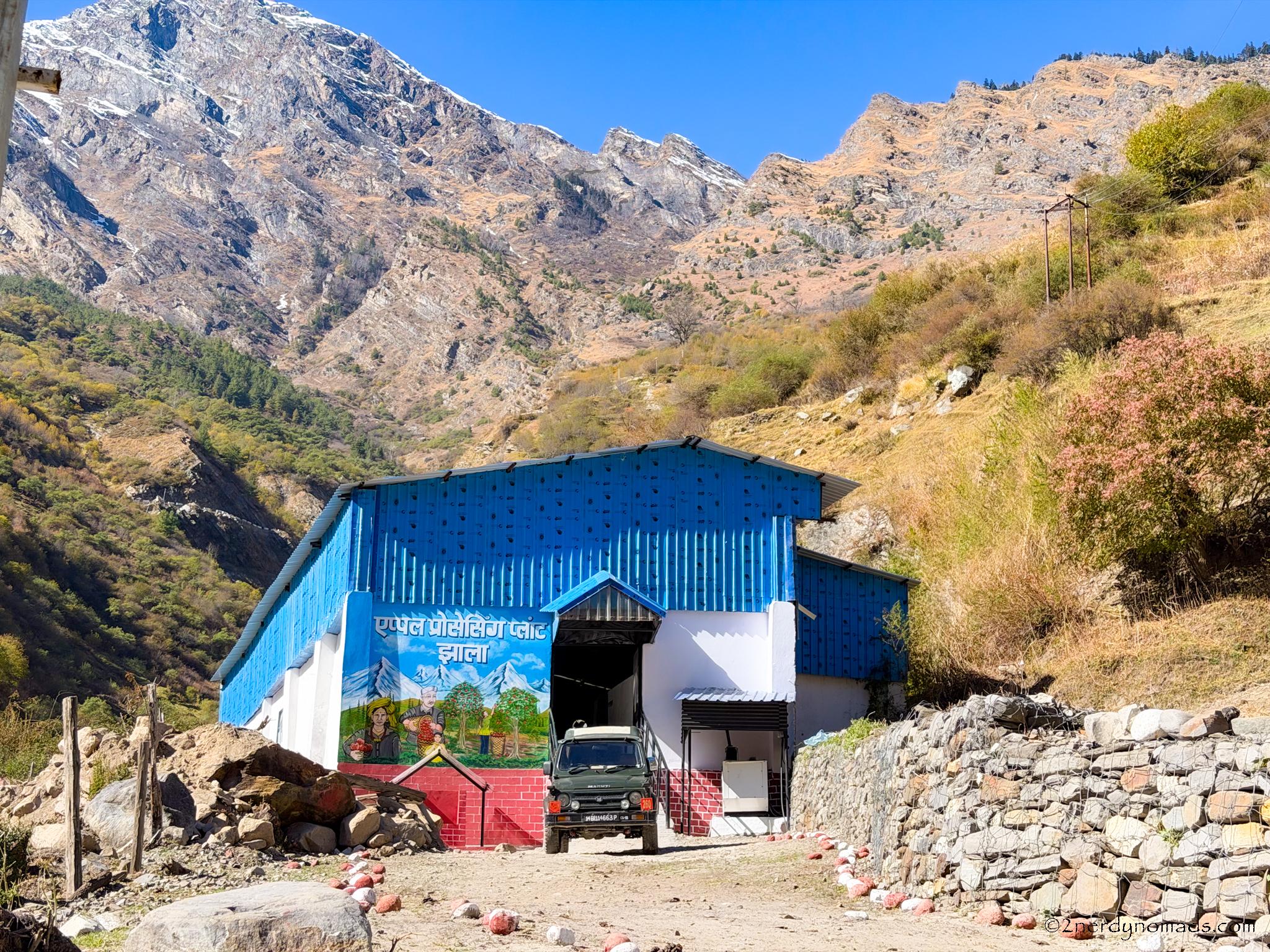
One of our favorite finds was an apple processing plant in Jhala village, an initiative by the Indian Army. We picked up some delicious apple chutney and apple juice from there. The chutney was especially good!
- Locally Made Woolens
If you're looking for something handmade to take back, explore the local markets in Bagori and Harsil for locally made woolens. Prices are really economical.
Harsil Valley Trip Budget
Here's our breakdown of the major expense categories to help you plan your Harsil Valley trip budget.
What to Pack for Harsil Valley
Packing for Harsil depends on the season you're visiting. Even during summer, mountain evenings can get chilly, while winters can be extremely cold. We'd recommend carrying layers, comfortable walking shoes and a few essentials for changing mountain weather.
-
Important tip: We carried this backpack instead of a suitcase for this trip, and it turned out to be the best decision.
-
This moisturizer is our current winter favorite and kept us hydrated.
-
We both used this hydrating sunscreenon this trip and it helped us avoid tanning.
-
We always carry this snack on our road trips.
We've put together a detailed Winter Packing List for Beginners: What to Pack for a Snow Trip covering everything we usually pack for cold-weather road trips, from winter clothing and footwear to travel essentials and accessories. Do check it out before heading to Harsil!
Harsil turned out to be so much more than just another mountain destination for us. What we'll remember most is the warmth of the people, conversations over cups of Pahadi tea and the joy of slowing down in the mountains. We're already planning another trip to Harsil soon.
If you're looking for more road trip ideas from Delhi, check out our guide to Offbeat Destinations Near Delhi for some more places to explore.
Hope this guide helps you plan your Delhi to Harsil Valley trip. Happy travels!