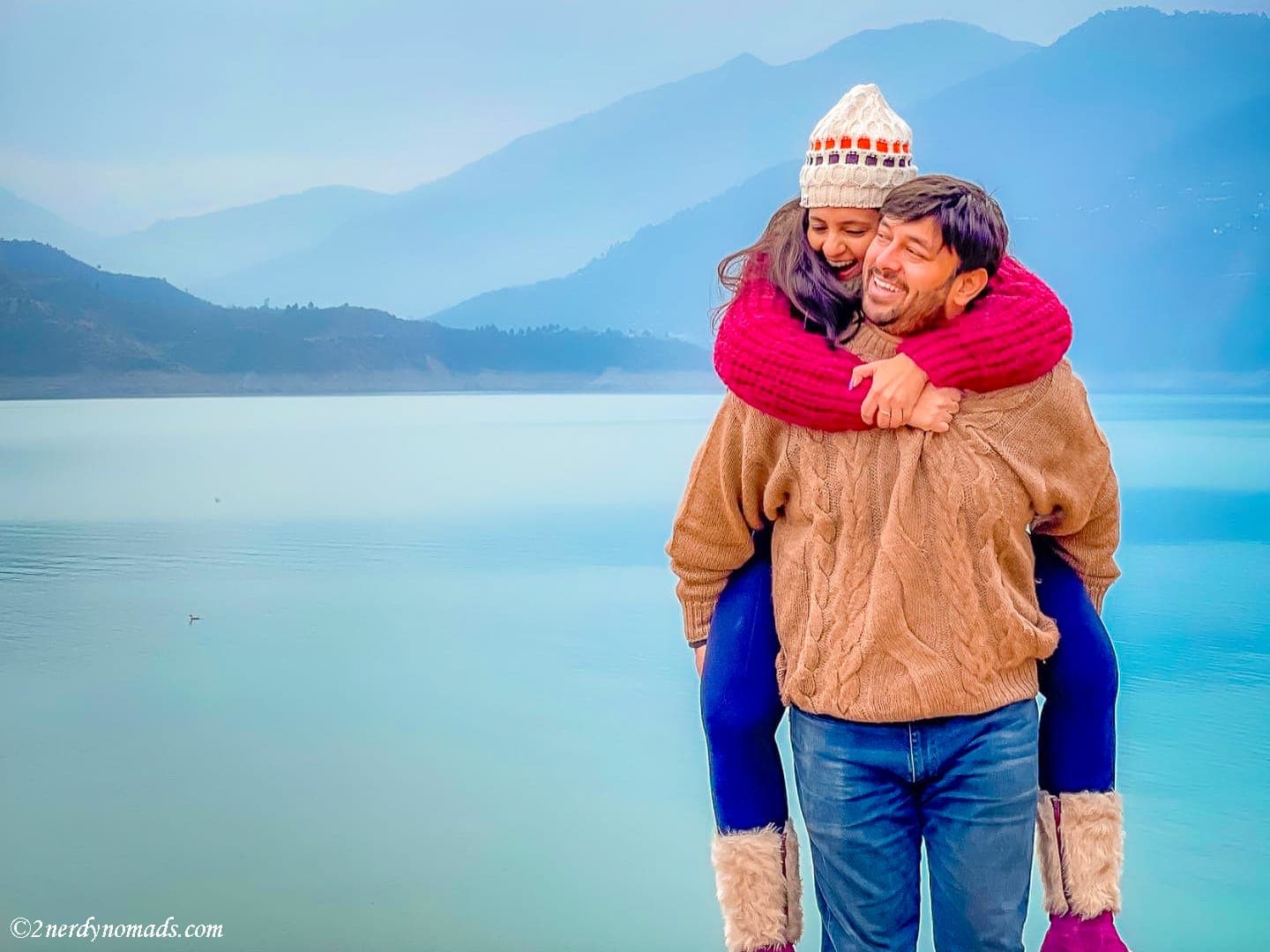
Winter Packing List for Beginners: What to Pack for a Snow Trip
I’ve always been a winter baby, dreaming of playing in the snow, building snowmen and living my very own winter wonderland. But there was one tiny problem: I loved winter, but I was terrible at dressing for it (because my winter packing list was outdated! phew!).
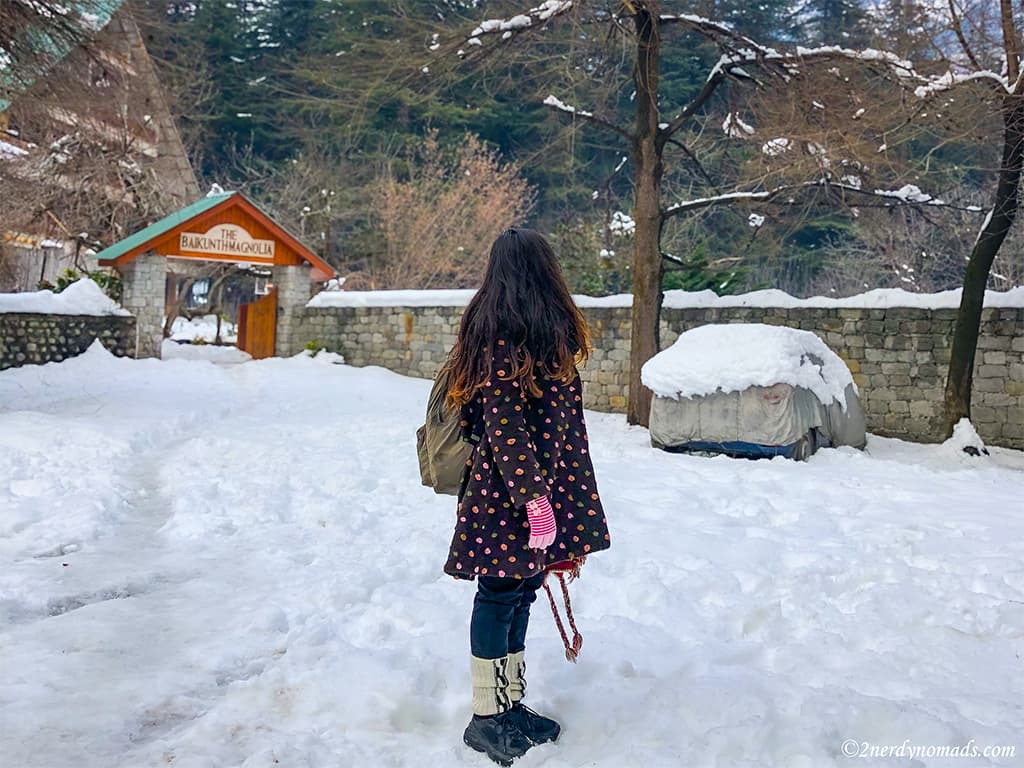
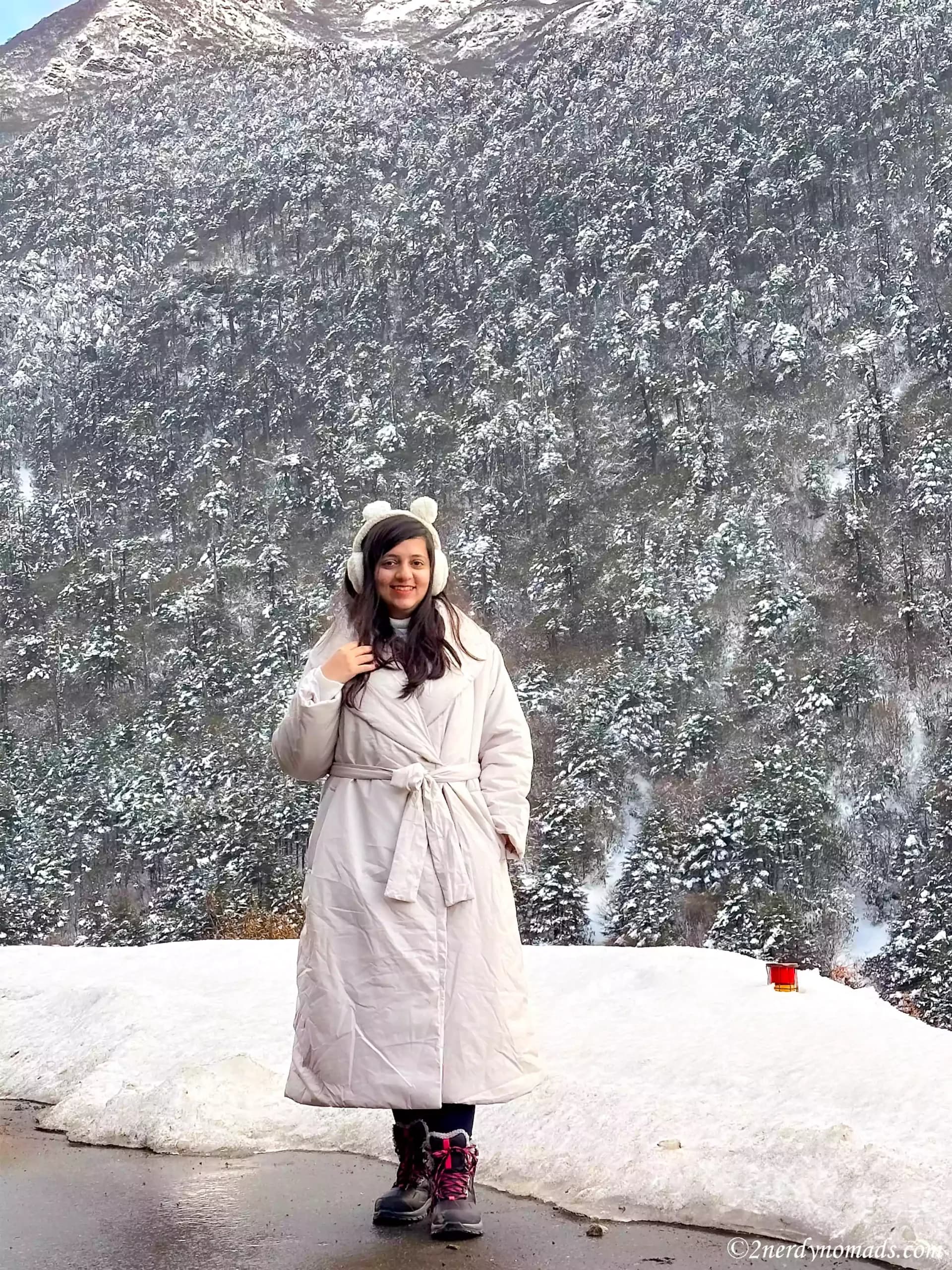
I still remember our trip to Dalhousie in 2016. It suddenly started snowing, and despite wearing winter clothes, Animesh and I couldn't stop shivering. We looked ready for winter, but clearly, we weren't prepared for it!
Fast-forward to our trips to Tawang and Anini in 2024, Munsiyari in 2025 and Keylong in 2026, and things had changed quite a bit.
Through trial and error over the years, I finally figured out how to dress properly and what essentials to pack for a winter trip.
So, if you're planning your first winter holiday or a road trip to the mountains, this winter packing list for beginners will help you prepare without stuffing your entire wardrobe into your suitcase!
Winter Packing List at a Glance
Before we get into the details, here's a quick winter travel packing checklist you can use while packing.
- 1. Clothing Essentials for a Winter Trip
- 2. Winter Accessories: Small Things That Make a Big Difference
- 3. Footwear: Don't Make Our Mistake
- 4. Skincare Essentials For Winter Travel
- 5. Other Winter Travel Essentials You Shouldn't Forget
- Lessons From Our Winter Trips: From Dalhousie to Keylong
- Frequently Asked Questions About Winter Packing
You don't necessarily need every item for every destination. Your final packing list should depend on the forecast, expected temperatures, activities and how much time you'll spend outdoors.
1. Clothing Essentials for a Winter Trip
In my early days of traveling, I had no clue about proper winter layering. I’d wear a thick sweater over a T-shirt or warmer and then pile on a jacket. The result? I looked bulky, felt restricted, and, worst of all, I was still cold.
That's when I learnt that staying warm isn't simply about wearing the thickest jacket you can find. It's about wearing the right layers and being able to adjust them throughout the day.
Let me break it down in a simple way, so you can avoid those mistakes and pack like a pro.
Base Layers: Your Second Skin
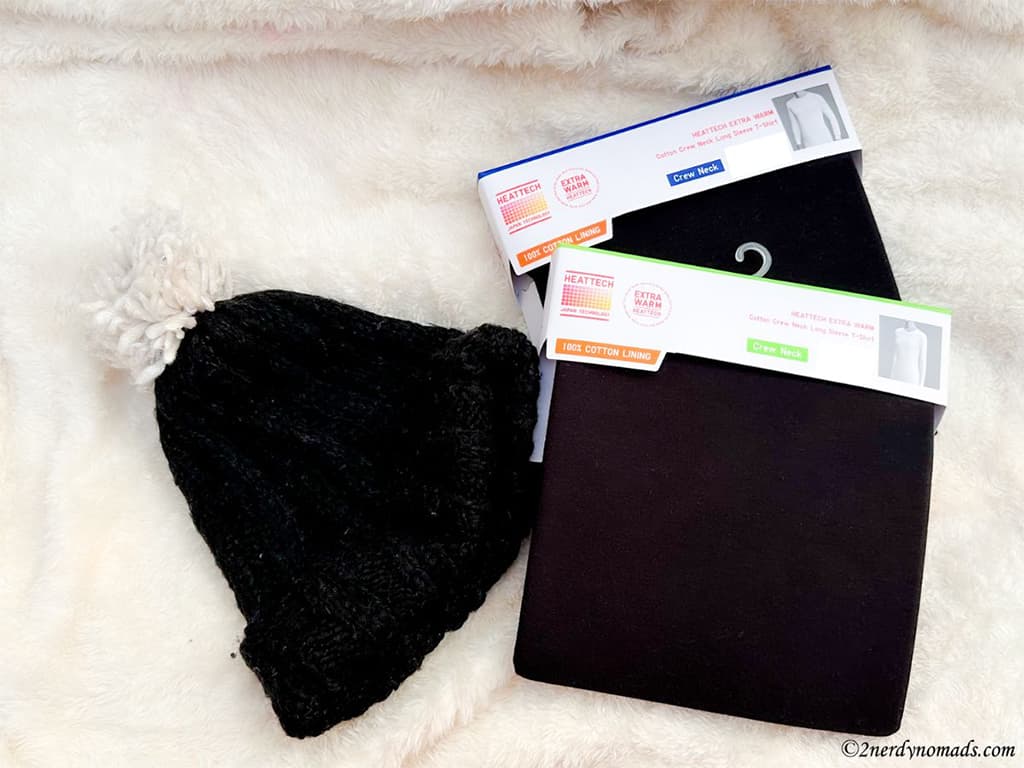
These are the first layer of clothing that touches your skin, and they’re super important for trapping body heat. Think thermal tops and leggings made of materials like merino wool or synthetic blends.
During our Tawang trip, wearing thermal leggings underneath our trousers made a noticeable difference. I've been using these thermals for years, and they've worked well for us as an affordable everyday option.
If you're willing to spend a little more, Uniqlo Heat Tech is another option. We both own a pair and have been happy with how lightweight and comfortable they feel under our regular clothes.
Mid-Layers: The Secret to Staying Warm
Your mid-layer provides insulation. Think fleece jackets, woolen sweaters or lightweight insulated jackets.
I usually carry one lightweight down jacket and one woolen sweater. On our Dalhousie trip, I had only thick woolen sweaters, which felt heavy and restricted my movements.
Now, I prefer combining lighter layers that I can add or remove depending on the temperature.
Decathlon , Uniqlo and Columbia offers variety of good basic fleece jackets , which are perfect for layering while Decathlon ones are light on pocket too.
Outerwear: Your Shield Against the Cold
This layer is your main protection against wind, snow, and rain. A good waterproof snow jacket or a down coat is essential. Look for something insulated and lightweight with a hood for extra warmth.
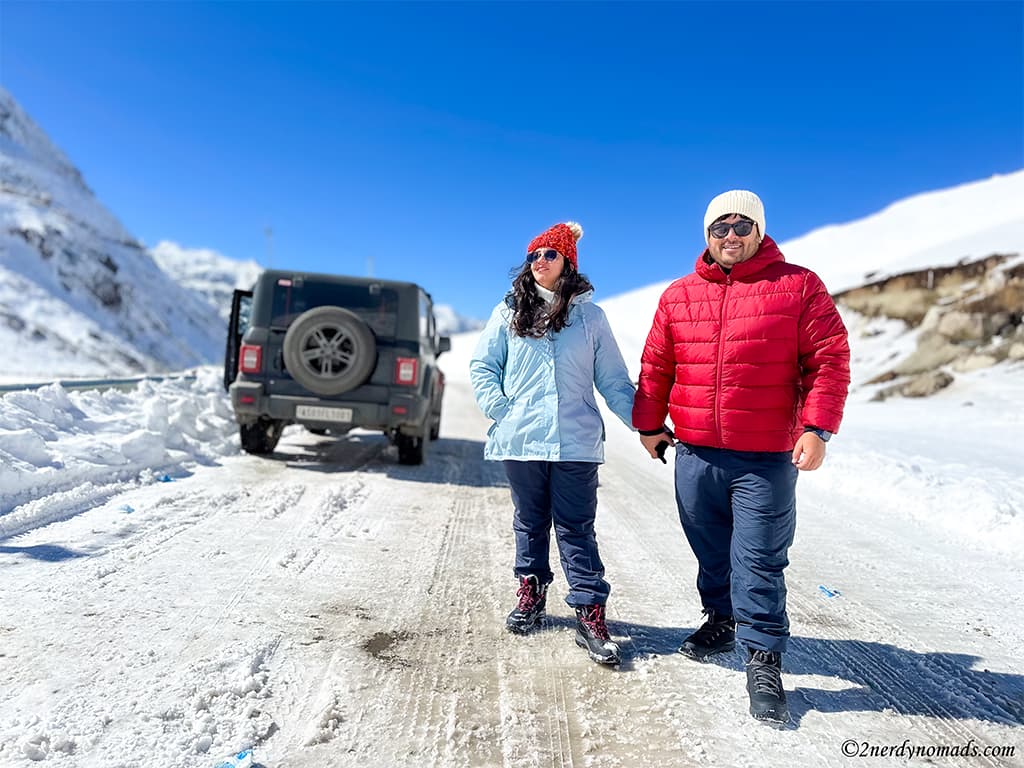
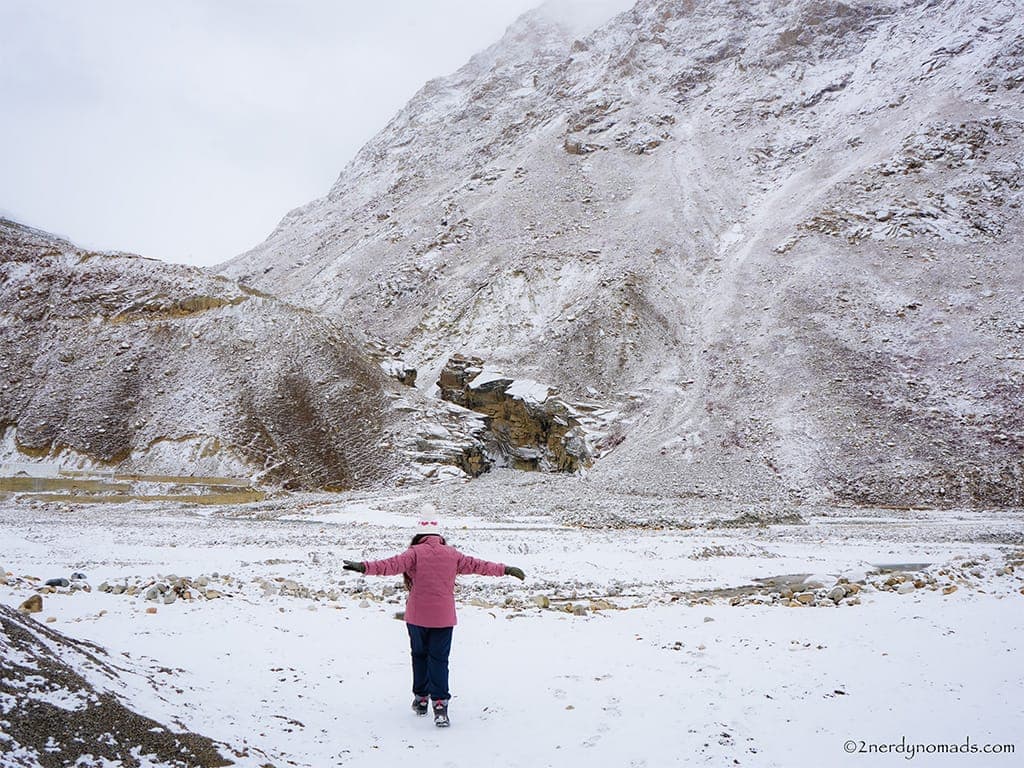
During our trip, I layered a Decathlon -20 Snow jacket and it kept me comfortable throughout the day; while Animesh opted for a lightweight down-feather jacket from H&M, which is designed to be both stylish and functional.
For Keylong, we got ourselves Jackets from Columbia and they worked magic.
Snow Pants: Are They Really Necessary?
If you're planning to walk around in fresh snow, play in the snow, make snow angels or spend hours outdoors during snowfall, snow pants can make a huge difference.
Regular trousers can get wet quickly when snow melts on them, leaving you cold and uncomfortable.
We both bought our snow pants from Decathlon, and they've been a useful addition to our winter wardrobe. For a city break with occasional chilly weather, you might not need snow pants.
2. Winter Accessories: Small Things That Make a Big Difference
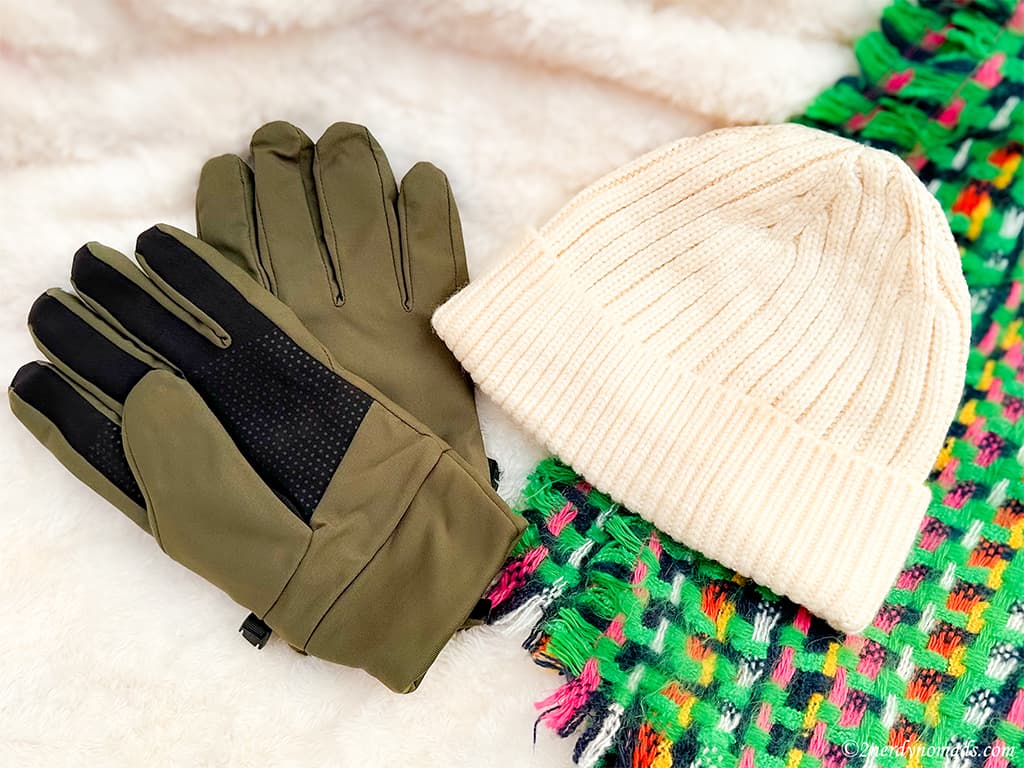
Don’t underestimate the power of a good beanie, gloves, scarves, and thermal socks! These smaller items can make or break your winter experience.
Gloves: Don’t Rely on Fancy Ones!
I’ve always been a fan of fancy gloves (they are so cute) , but let me tell you- don’t make the same mistake, those aren’t always enough in snowy conditions.
I wore double gloves - fleece gloves underneath and woolen gloves on top - for both warmth and a cute look in the pictures. However, they turned out to be impractical. It was super inconvenient to keep removing them every time I needed to do something, whether it was taking photos or using my phone.
Animesh, on the other hand, opted for Uniqlo touch-sensitive gloves, which turned out to be incredibly warm and functional. The heat retention was excellent, and they were perfect for using phones or navigating in the cold without removing the gloves.
Beanies, Scarves and Neck Warmers
The same goes for beanies, socks, and scarves. It’s worth investing in good-quality ones if you want them to keep you warm and last longer.
I also tried these ear muffs and they worked wonders. They’re super comfortable (very cute!) and saved my ears from the biting cold wind!
Prioritize functionality over looks for a comfortable and cozy experience!
Thermal Socks
Cold feet can ruin a winter trip faster than you'd expect. Pack warm socks that fit comfortably inside your boots without squeezing your toes.
3. Footwear: Don't Make Our Mistake
During our Dalhousie trip, my regular sneakers got soaked in the snow. I learnt that ordinary walking shoes aren't always suitable for snowy conditions.
For Tawang, I bought waterproof boots, and they were a game-changer. My feet stayed much drier while walking through snow, and the grip was more reassuring.
When choosing winter footwear, look for:
-Waterproof construction for wet snow and slush
-Insulation appropriate for the expected temperatures
-Good traction for snowy or slippery paths
-Enough room for warm socks without squeezing your toes.
Some good footwear brands for winter include Decathlon, Columbia, Moon Boots( expensive ones but worth the investment).
Personal Tip: Consider purchasing your boots one size bigger to accommodate thick thermal socks or multiple layers. This ensures a comfortable fit without squeezing your feet.
You don't necessarily need heavy snow boots for every winter holiday. For a mild winter city break, regular walking shoes may be enough.
4. Skincare Essentials for Winter Travel
This part is often overlooked by most people while traveling, and I know because I was one of them.
I have super sensitive and acne-prone skin, and for years, I failed miserably in taking care of my skin during trips. I’d come back home with dry patches, irritation, and even breakouts. It wasn’t until I became more conscious of my skin and started following a consistent routine that I began to see a difference.
I’ve even started guiding my family and friends to adopt the same routine, and it’s worked wonders for them too.
So, here’s my tried-and-tested skin care routine that I’ll be sharing with you to help keep your skin healthy and glowing during your winter travels.
Moisturizer
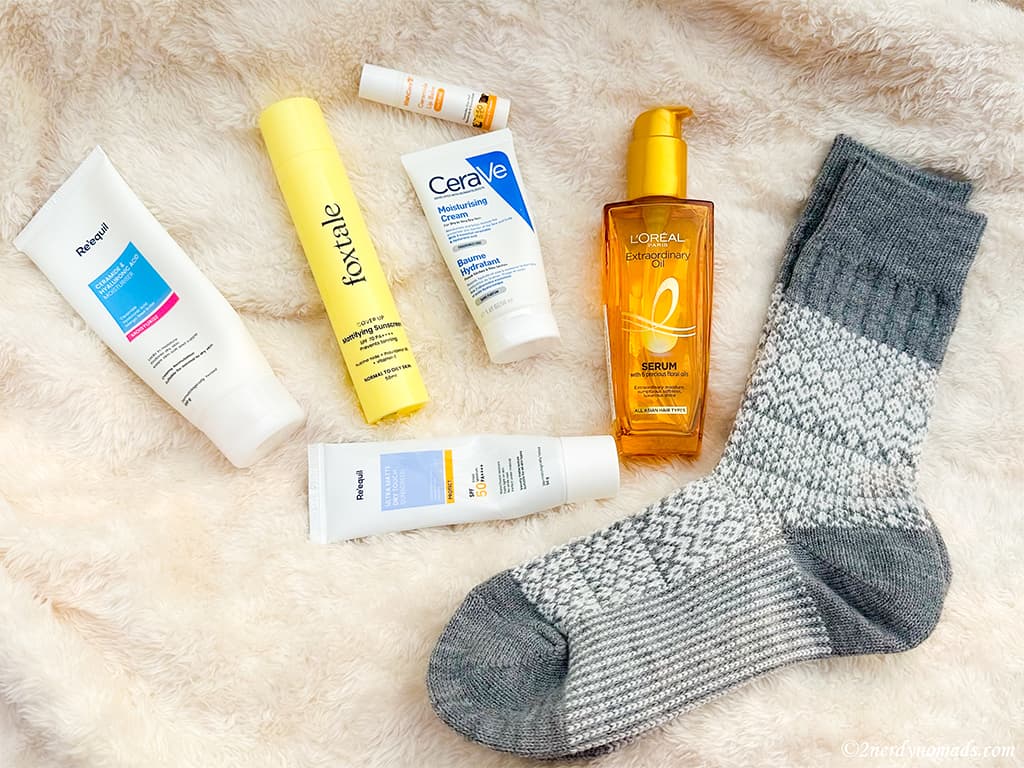
Carry a moisturizer that works for your skin type. I personally use Re’equil and CeraVe products, which have worked well for me.
Sunscreen
After applying a generous layer of moisturizer, don’t skip the sunscreen- yes, you read that right! The winter sun can be harsh, reflecting off snow and making UV rays stronger than you might expect.
Go for an SPF 50++ to ensure strong sun protection. Brands like Re’equil, Foxtale, and Dot & Key offer great sunscreen options. Personally, We prefer this sunscreen with 70 SPF for its high protection.
Personal Tip: Reapply sunscreen every 2-3 hours, especially if you’re out in the snow. You can also carry a sunscreen stick for easy on-the-go application. It’s convenient to apply and won’t mess up your makeup or skincare.
SPF Lip Balm
Chapped lips are a common problem during winter, and I’ve always struggled with them. We swear by this lipbalm as it comes with 50+ SPF for extra protection.
Haircare
I keep my haircare routine simple when travelling. A hydrating shampoo, a wide-tooth wooden comb and a little hair serum are usually enough for me.
After a long day, I gently detangle my hair, apply serum to the ends, and let it breathe overnight. It’s my little ritual for keeping my hair happy during winter trips!
A hat or scarf can also help protect your hair from cold winds.
5. Other Winter Travel Essentials You Shouldn't Forget
When it comes to winter packing, there are a few extra items that can make your trip way more comfortable and organized. Here are some essentials we swear by:
Insulated Water Bottle or Thermos
We love carrying an insulated bottle or thermos on winter trips. Being able to sip warm water, tea or coffee during a cold day outdoors is a small luxury!
We have used these insulated bottles for years and also carry travel friendly cups when practical.
On our Anini & Munsiyari trip, we even enjoyed a little chai date in the middle of a snowfall & overlooking waterfall. Moments like these are exactly why I love being prepared for winter adventures.
Sunglasses for Snow Glare
Snow-covered landscapes are gorgeous, but the glare can be surprisingly uncomfortable.
Carry sunglasses that provide proper UV protection.
Polarized ones work best for cutting the glare. We both wear this brand affordable and have great designs too!
Vacuum Compression Bags
Winter jackets, sweaters and other bulky clothing can take up a ridiculous amount of luggage space.
We started using these vacuum compression bags,to organize bulky clothing, and they helped us pack more efficiently on our Arunachal Pradesh trip.
Ready-to-Use Hand Warmers
Portable hand warmers can be useful during particularly cold outings.
Follow the manufacturer's instructions, and don't place them directly against bare skin for prolonged periods.
For more ways to stay organized, read our guide to essential packing tips for international travel.
Snacks and Protein Bars
We always like carrying a few snacks on road trips, particularly when we're exploring mountain regions where food stops may be limited.
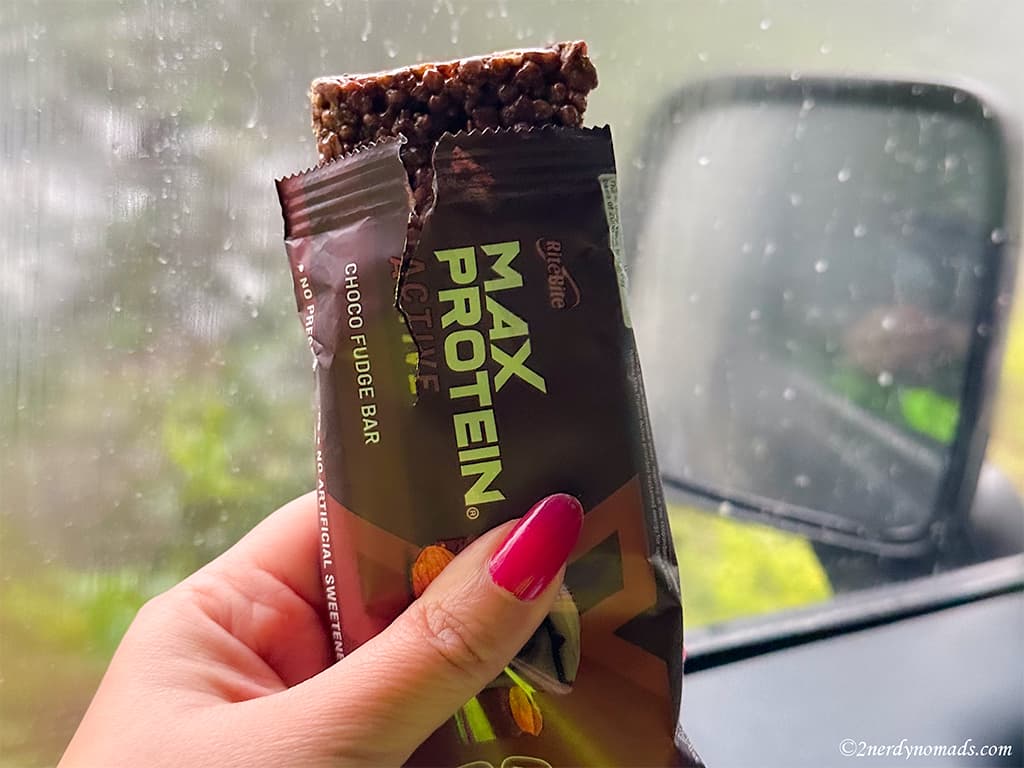
Protein bars are compact, easy to pack and convenient when you're hungry between meals. We often carry Max Protein bars on our travels.
While we love experimenting with different flavors and brands, we’re absolutely obsessed with these protein bars. They’re not just delicious but also pack a punch with 20 grams of protein!
We also carry this delicious protein on our road trips, so that we are never hangry!😄
Power Bank and Charging Cables
Cold weather can affect battery performance, so a power bank is useful when you're spending long hours outdoors.
Keep your phone and power bank protected from extreme cold where possible.
Winter travel can be magical, but it’s all about being prepared!
Lessons From Our Winter Trips: From Dalhousie to Keylong
Our approach to winter packing has changed quite a bit over the years.
The biggest lesson? Staying warm isn't about carrying the most clothes. It's about choosing the right ones.
Our packing choices also depend on the trip. A winter road trip requires us to think about long hours outdoors, changing weather and the practicalities of travelling between mountain destinations.
If you're planning a similar adventure, you can also read about our Delhi to Keylong winter road trip and our Munsiyari road trip in Uttarakhand.
I’ll also keep updating this winter packing list, as I discover new tips or hacks, so stay tuned.
Frequently Asked Questions About Winter Packing
How many layers should you wear in the snow?
A practical starting point is three layers: a base layer, an insulating middle layer and a protective outer layer. Adjust them according to temperature, wind, activity and how warm you feel.
How can I pack winter clothes without overpacking?
Choose versatile layers, reuse mid-layers where practical, wear bulky outerwear during travel and use packing cubes or compression bags to organize your luggage. Base your packing list on the actual weather and planned activities.
What should beginners pack for a winter trip to the Indian Himalayas?
Pack thermals, insulating layers, a suitable winter jacket, gloves, warm socks, appropriate footwear, sunscreen, lip balm and personal medication. Check the local forecast and road conditions, particularly if you're travelling during snowfall.
Quick Tip: You don't need to buy everything at once or carry your entire wardrobe. Start with the basics, choose layers that work for your destination, and learn from each trip.
And if you have a winter packing tip, a favorite piece of gear or a funny story about being completely unprepared for the cold, leave us a comment. We'd love to hear it!
Happy winter travels, amigos!


Thank you for this… Really helpful 👍
Hey Aarti, Happy to help! Let me know if you need any more suggestions or tips!😊
The list is very much helpful and with such detailing you guys have put the information it’s phenomenal . Thank you will be using this list for all winter trips thereby .
Hi Hriti, Yay! So glad it’s coming in handy — winter trips are magical when you’re well-packed!😊
The list was very much helpful. Thankyou so much dear 🥰
The list was very helpful with lots of details Thankyou so much dear 🥰
Hi Sonal, So glad it helped!😊